Travel journal
Plan your Egypt journey well
Nebu Reisen editorial team
Published:
Updated:
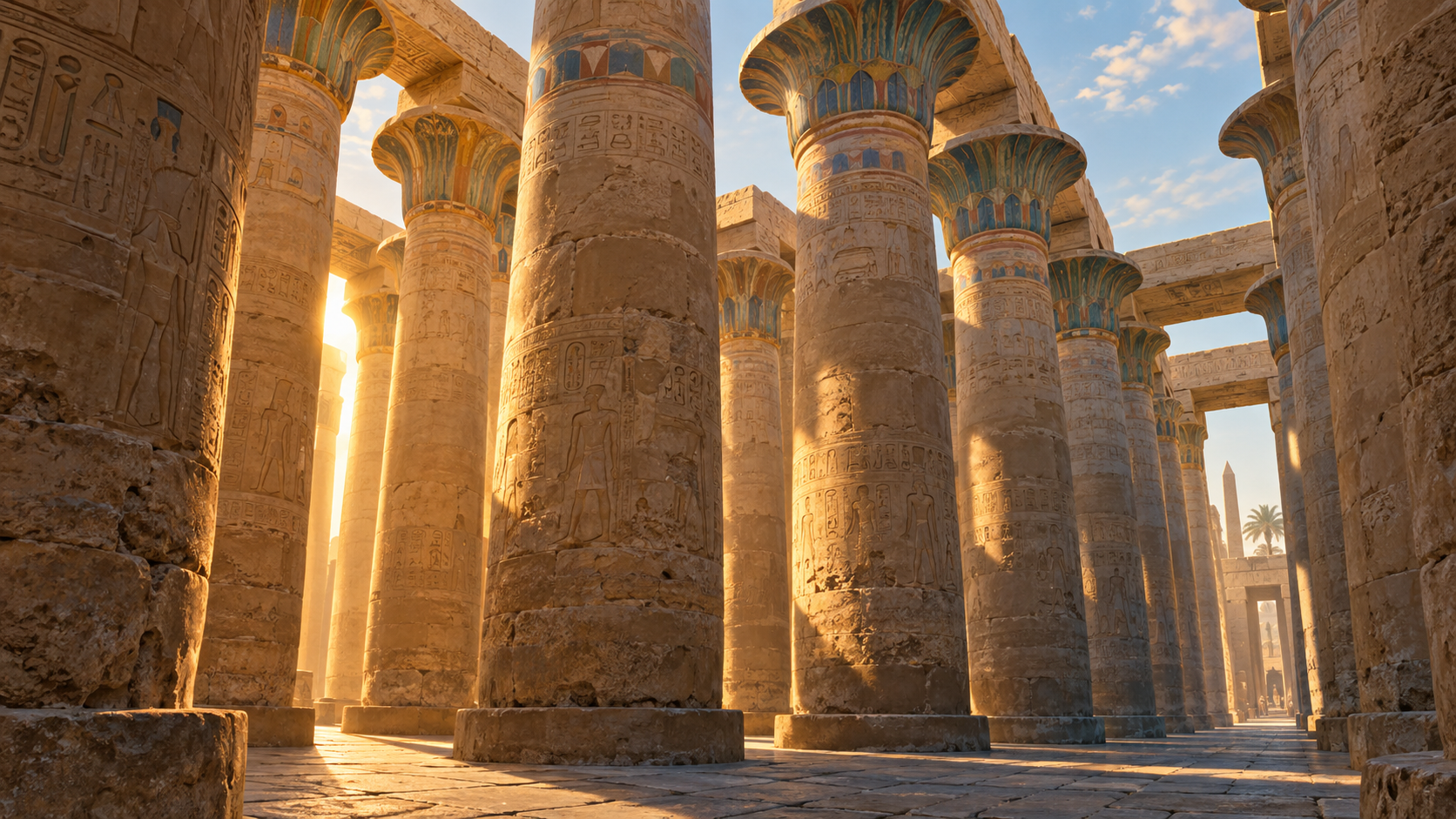
You stand between columns so tall that your eyes travel upwards almost without thinking. Then your guide points to a small gesture in a relief: a king presenting an offering to a god. Suddenly the wall is more than decoration. It speaks of power, hope and the desire for an ordered world.
Luxor combines east-bank temples with royal tombs and mortuary temples on the west bank. For a first visit, choose deliberately. Karnak, a royal tomb and one other temple may leave stronger memories than a day of hurried stops everywhere. Departure point, heat, walking and rest belong in the plan.
Karnak: discover a king’s mark
Karnak was a major sanctuary of Amun. Generations of rulers enlarged its complex, so your walk reveals many chapters rather than one building project: a gateway, a hall, an obelisk and another courtyard.
In the Great Hypostyle Hall, look up and then look again. Surviving colour changes the familiar idea of temples made only of muted sandstone. Ask about one particular scene instead of trying to remember every name. Who is making an offering? How is the god identified? What message did the king want the image to carry?
Those three questions give the visit direction. Our detailed Karnak guide helps you choose details to notice before travelling. A slow walk through selected areas can convey the sanctuary’s scale better than rushing through them all.
Luxor Temple: imagine the gods arriving
Picture a festival day in ancient Thebes. During the Opet Festival, the sacred images of Amun, Mut and Khonsu travelled from Karnak to Luxor Temple. A procession joined the sanctuaries. The celebration gave the city a religious rhythm and connected kingship with divine renewal.
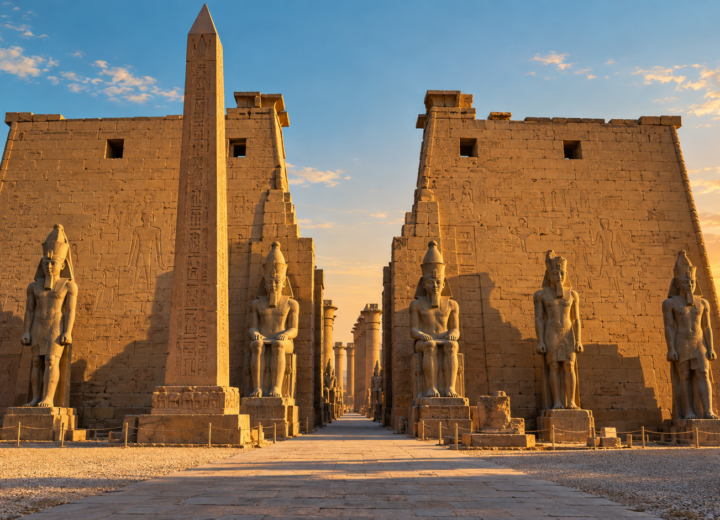
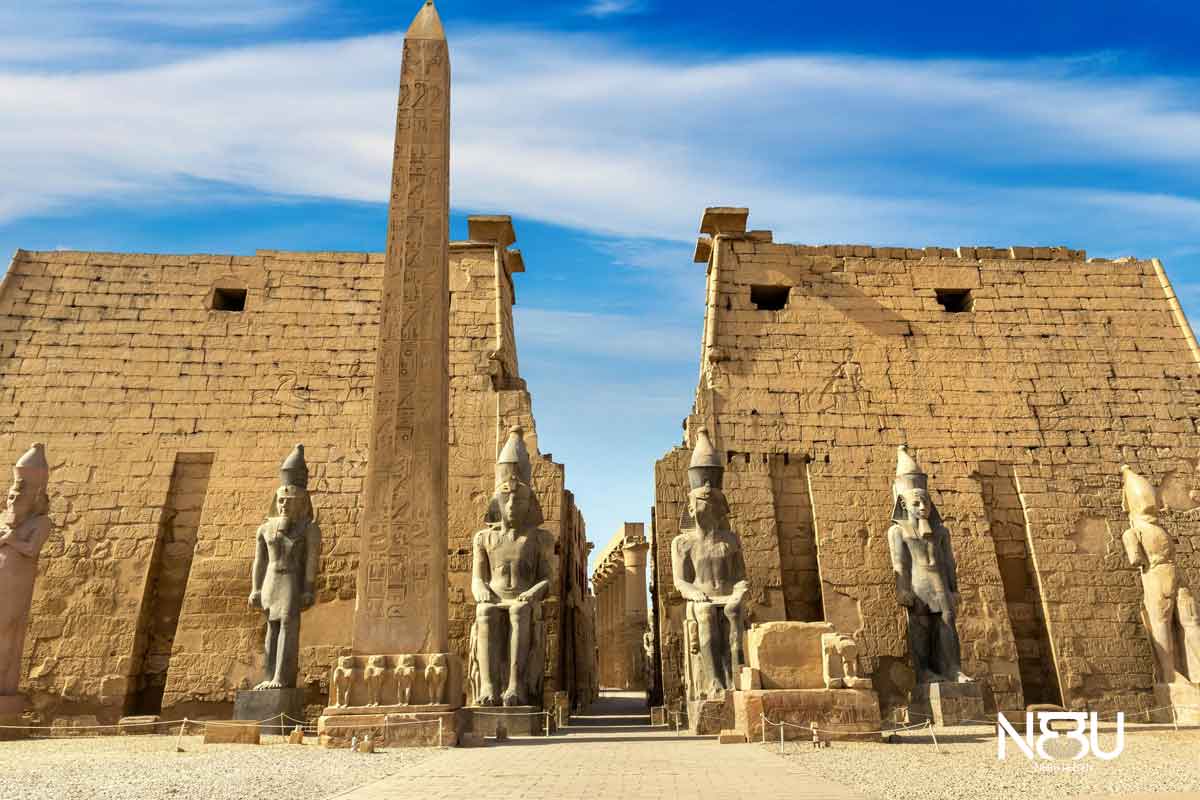
Today, you can read the temple as a sequence of spaces. Great figures at the entrance announce royal presence; farther inside, the scale and atmosphere change. Our Luxor Temple guide explains what to notice beyond the gateway. An evening visit can appeal, but current opening arrangements and your actual programme must allow it.
Valley of the Kings: colour, not a room of gold
The landscape outside appears stark. Inside a tomb, painted walls describe another world. Kings sought to accompany their passage into the afterlife and secure renewed existence. An explanation of one scene can help the unfamiliar figures become a story.
Visit for those images and their meaning. The famous movable treasures have not simply remained in the burial chambers. Ask which tombs will be accessible on your date and what admissions are included. A famous name does not automatically belong to the standard ticket.
Sloping passages, steps, warmth and people sharing narrow spaces may be tiring. Do not make the choice under pressure. Our Valley of the Kings guide connects the art with these practical questions. Seeing fewer tombs thoughtfully is a perfectly good decision.
Hatshepsut: a ruler tells her own story
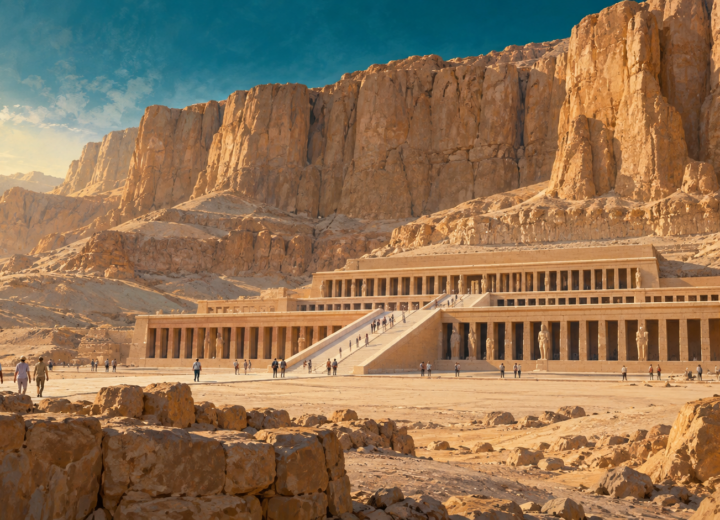
The terraces of her temple seem to emerge from the cliff. Hatshepsut ruled as pharaoh and used her mortuary temple’s imagery to present the legitimacy of her reign. The expedition to Punt appears in reliefs showing people, houses, animals and goods within a remarkable royal narrative.
A statue in the form of Osiris also explains the building’s purpose. This was a place for the royal mortuary cult, not Hatshepsut’s burial chamber. Our Hatshepsut article explores that connection. Exposed walking routes and the ascent between levels should match your own comfort and stamina.
One sightseeing day or more time by the Nile?
If you already stay in Luxor, your day begins differently from one involving a journey from Hurghada or Marsa Alam. Long transfers reduce time at the monuments and change the rhythm. Check the actual starting point before comparing the number of stops.
The private ancient Thebes day tour from Luxor lists Karnak, the Valley of the Kings and Luxor Temple. Hatshepsut is not listed as an extra stop on this programme. If that temple is your main wish, ask for a suitable route rather than quietly assuming it will be added.
Request time to sit down, drink water and enjoy an unhurried lunch. Agree the guiding language, walking involved and practical needs beforehand. Private arrangements offer flexibility; they do not make steps, sunshine or distances disappear.
Your Luxor questions
What should I choose for a first visit?
A temple and a royal tomb reveal different sides of ancient Thebes. Choose according to interest and stamina rather than the longest possible list.
Are Karnak and Luxor Temple the same place?
No. They are separate east-bank sanctuaries connected historically by processions. An itinerary must explicitly include each one you want to visit.
Is Tutankhamun’s tomb always included?
No. Check admission and current access. The words Valley of the Kings do not tell you which special tombs an offer includes.
Can I skip tomb interiors and still enjoy Luxor?
Yes. Temples, landscape and thoughtful explanations can make a rewarding visit without descending into a tomb. Arrange alternatives beforehand.
How should I plan with limited mobility?
Explain your needs clearly. Ask about steps, walking distances, vehicle access and seated breaks. A general claim of accessibility would not be enough.
Which services need confirmation?
Pickup, guiding language, tickets, selected tombs, meals and return arrangements. An inspirational guide is not a binding list of inclusions.
Historical references: Egypt’s Ministry of Tourism and Antiquities on Karnak, Luxor Temple, the Valley of the Kings and Hatshepsut Temple.