Travel journal
Plan your Egypt journey well
Nebu Reisen editorial team
Published:
Updated:
At the foot of Khufu’s pyramid, familiar book illustrations suddenly seem small. You can see individual stone courses, people beside the building and the space of the plateau. The first question is often simple: why did a king want to leave something like this behind?
Egyptian history becomes approachable when you connect places with human motives. The pyramids speak of royal afterlife, Luxor’s temples of gods and authority, Philae of religious traditions across centuries. You do not need a long list of kings. A few good questions turn the monuments into a journey you can enjoy.
Giza: a home for eternity
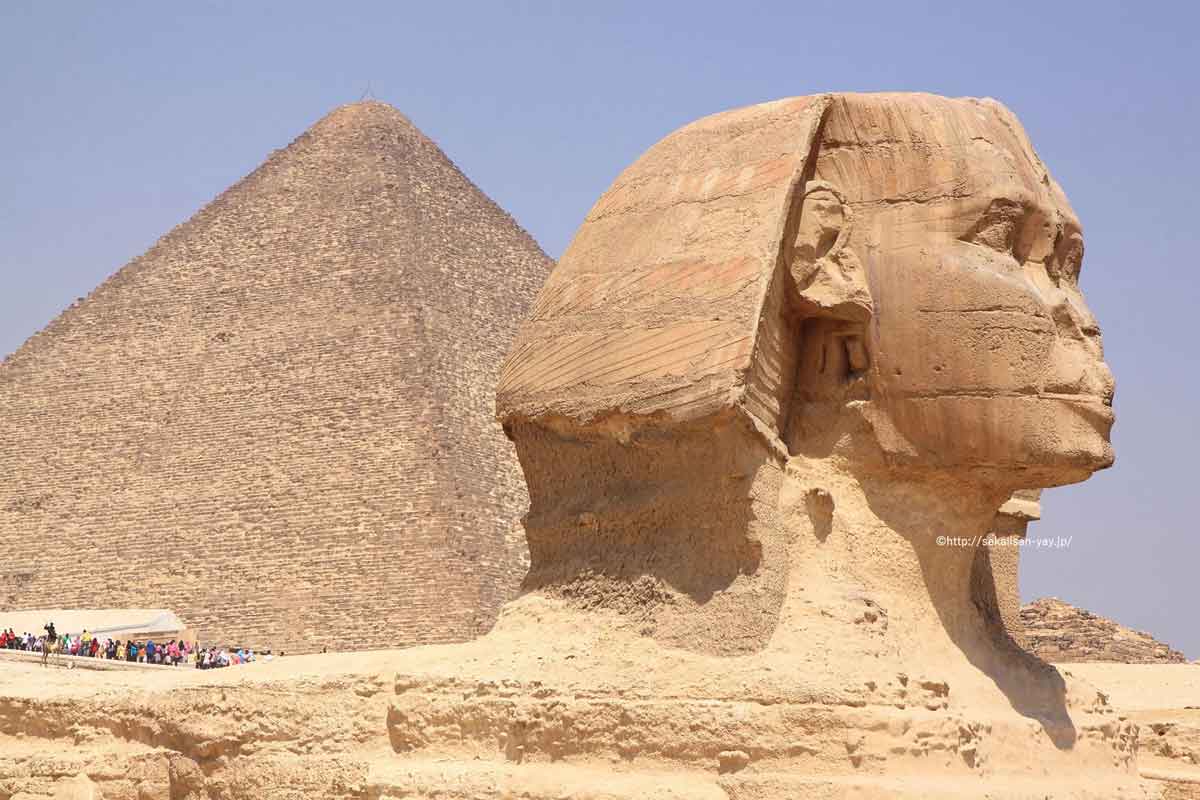
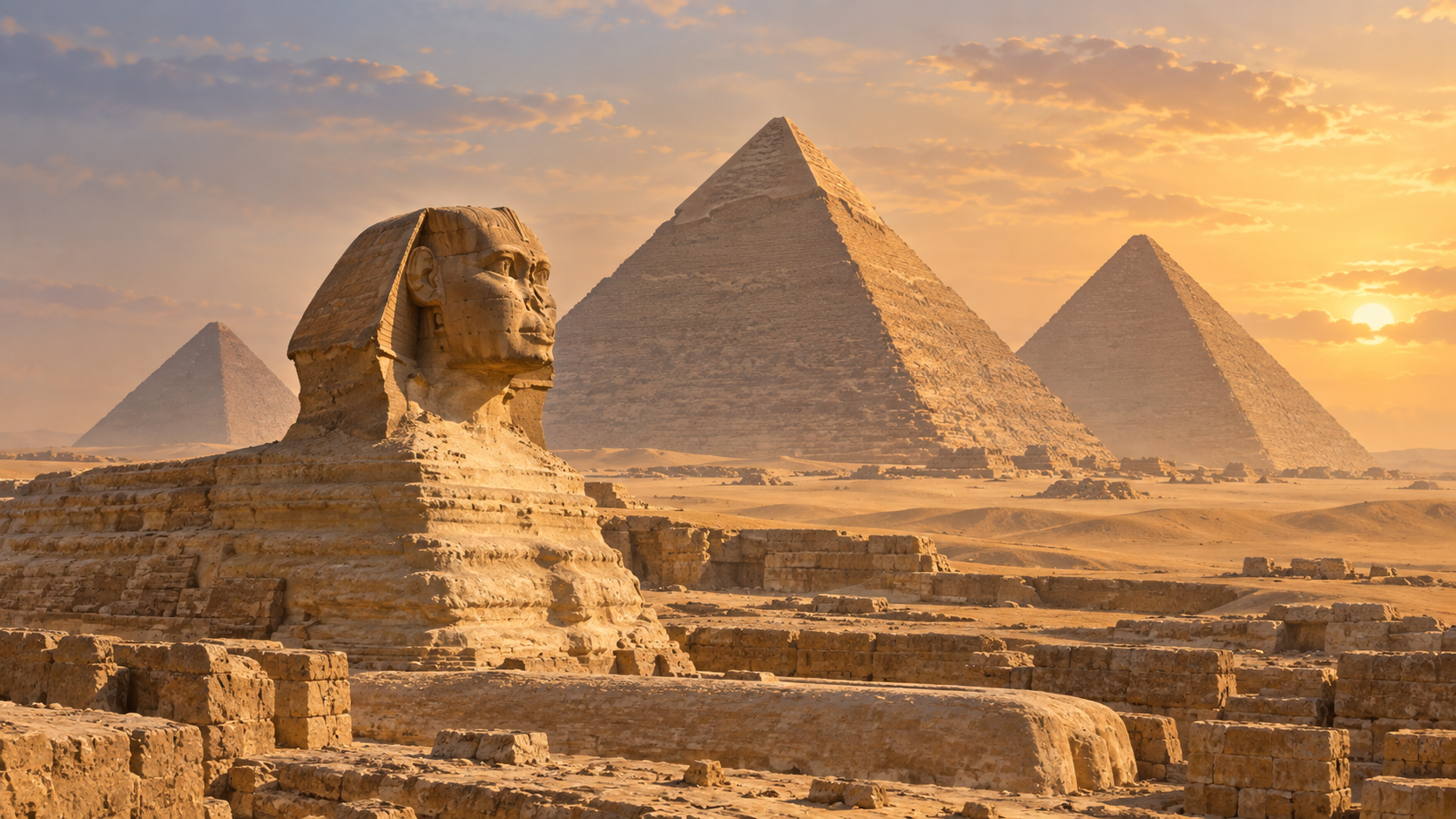
The great pyramids belong to the Old Kingdom. Khufu, Khafre and Menkaure built them within extensive royal funerary complexes. Look away from the famous silhouettes towards smaller remains and routes across the ground. This was not simply a group of three isolated monuments.
Priestly rites and offerings were intended to sustain the dead king. That belief helps explain the site’s importance better than a tale about aliens. Ask your guide how pyramid, temple and causeway worked together. Our Giza pyramids and Sphinx guide helps you read the plateau as a whole landscape.
Luxor: kings presenting their closeness to the gods
Many centuries separate the pyramid age from familiar monuments in Luxor. The New Kingdom brought rulers whose names recur on a journey: Hatshepsut, Tutankhamun and Ramesses II. Luxor was ancient Thebes. Its temples and burial landscape open a different chapter from Giza.
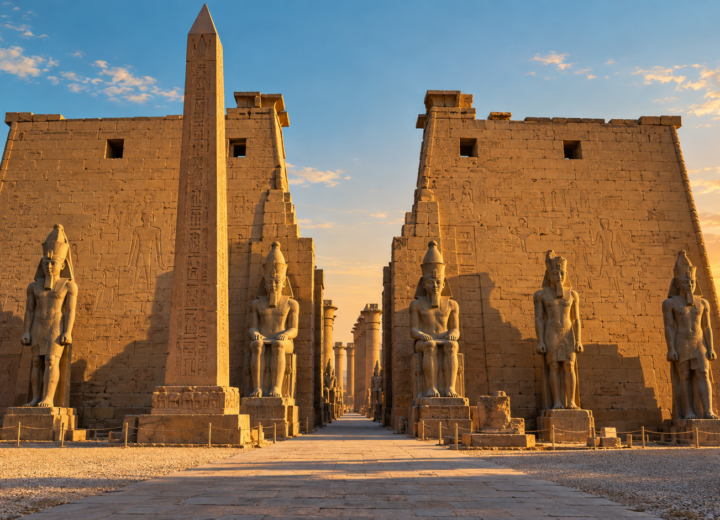
At Karnak, a king making an offering to Amun shows how he wanted his role to be understood. The scene is both religion and a royal message. Ask about a crown, a hand movement or a name inside a cartouche. One small detail, explained well, gives a vast temple personality.
Hatshepsut: who can become pharaoh?
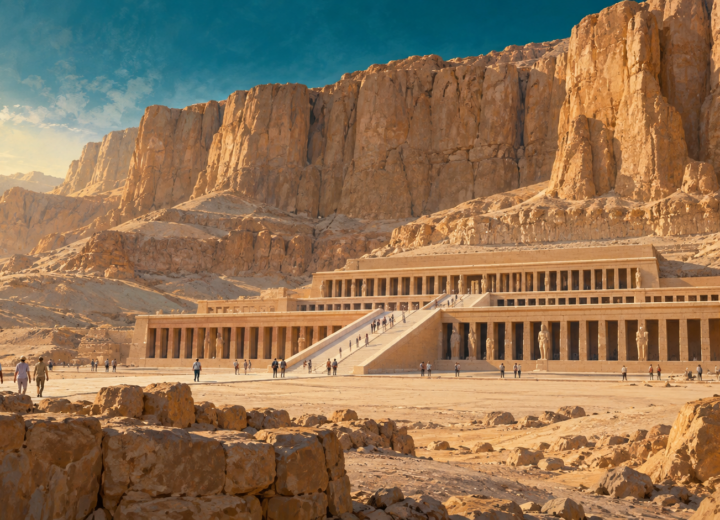
A woman on Egypt’s royal throne makes history especially tangible. Hatshepsut ruled as pharaoh and presented the legitimacy of her reign through images. In her temple she also appears in the form of Osiris. This is not festival fancy dress, but part of the royal idea of existence beyond death.
The expedition to Punt adds a world of trade, ships and desirable goods. At Hatshepsut Temple, look beyond the terraces for a story on the wall. Ask what it says about the ruler and what the archaeological evidence actually establishes. Royal images were created to persuade as well as record.
Philae: a goddess remembered across generations
Isis is one of the great figures of Egyptian religion. Her sanctuary at Philae largely belongs to later periods, long after the pyramids at Giza. That distance in time surprises many visitors. Egypt’s past was not one unchanging moment.
A boat approach gives an island feeling today, but the temple no longer stands in its original location. The Philae sanctuary near Aswan was rescued from rising waters and reconstructed on Agilkia. Your visit also tells a modern story of people determined to preserve an ancient one.
Abu Simbel: royal scale and another rescue
The seated figures of Ramesses II give the cliff a powerful royal presence. At Abu Simbel, notice the scale first and then the smaller details. Who appears beside the great figures? What message about rule and divine favour was the temple meant to convey?
These temples were also moved during the UNESCO rescue campaign. Their extraordinary setting joins ancient craftsmanship with modern conservation. Visiting requires its own planning from Aswan or another confirmed departure point. Abu Simbel is not a brief extra stop on an ordinary Luxor day trip.
Egypt continues beyond the pharaohs
Greek and Roman, Christian and Islamic chapters also belong to the country. In Cairo, different centuries can appear along the same route. A museum can help put those changes in context without asking you to work through a textbook before your holiday.
Plan around your interests rather than completeness. Pyramids and royal tombs demand different travel arrangements from a relaxed Cairo weekend. Our Egypt round trips offer multi-day possibilities. The chosen itinerary must specify which places actually form part of your journey.
Bring home stories, not just dates
Choose a question for each place: what did the ruler want to show, what did people believe, and what can I really see? Agree the language and focus of your guiding. Clear explanations, time to look and a proper pause are more memorable than a stream of dates.
Arrange long transfers, exposed temple walks and museum visits thoughtfully. Ask about seats, tickets and practical routes if mobility is limited. History should enrich your holiday, not create an exhausting timetable.
Your Egyptian history questions
Do I need to know Egyptology beforehand?
No. Curiosity is enough. A good explanation connects visible details with a story without expecting you to know dynasties or divine names.
Were all the monuments built at the same time?
No. Long periods separate Giza, Luxor’s famous temples and much of Philae. Those differences are part of what makes travelling through Egypt interesting.
Are stories about the gods historical facts?
They document religious ideas. A thoughtful guide distinguishes mythology, royal self-presentation and history supported by archaeological evidence.
Can I see Giza and Abu Simbel in one day?
That is not a sensible ordinary sightseeing day. Distances and transfers call for a suitable multi-day plan or explicitly confirmed special arrangements.
How can I avoid too many similar temples?
Choose different themes, such as pyramids, a royal tomb and a temple with a distinctive story. Leave free time between visits.
Where can I find suitable journeys?
The linked destination articles and round trips lead towards relevant options. Compare the actual itinerary, not only the title or a beautiful image.
References: National Museum of Egyptian Civilization timeline, ministry pages for Giza and Hatshepsut, and UNESCO’s Nubian monuments listing.